
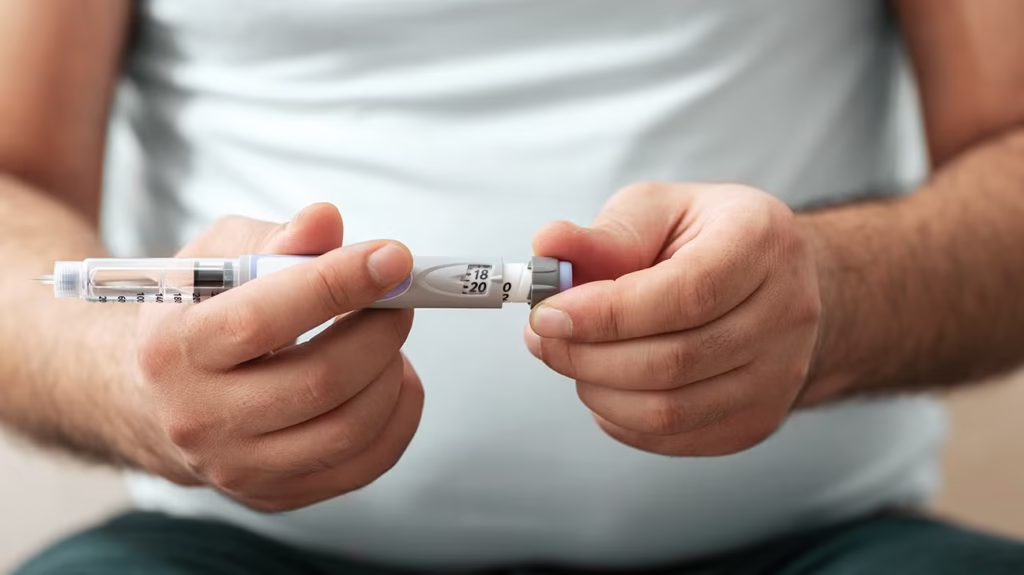
GLP-1 medications have gained attention for their role in managing Type 2 diabetes and supporting weight loss. But with increased interest often comes confusion. What exactly are GLP-1 medications? Who are they for? And what should patients know before starting?
Here’s a straightforward guide to help you understand the basics.
What Are GLP-1 Medications?
GLP-1 (glucagon-like peptide-1) medications are a class of FDA-approved drugs that mimic a naturally occurring hormone in the body. This hormone plays a role in regulating blood sugar, appetite, and digestion.
GLP-1 medications work by:
- Helping the pancreas release insulin when blood sugar is high
- Reducing the amount of sugar released by the liver
- Slowing digestion, which helps you feel full longer
- Decreasing appetite and food intake in some patients
These effects make GLP-1 medications useful for both Type 2 diabetes management and medical weight management when clinically appropriate.
Common GLP-1 Medications
Some commonly prescribed GLP-1 medications include:
- Semaglutide
- Liraglutide
- Dulaglutide
Your healthcare provider determines which option—if any—is appropriate based on your medical history, goals, and eligibility.
Potential Benefits of GLP-1 Medications
When prescribed and monitored by a licensed provider, GLP-1 medications may offer several benefits:
Improved Blood Sugar Control
GLP-1 medications can help lower A1C levels by improving how the body regulates glucose.
Weight Loss Support
Many patients experience reduced appetite, which may support gradual and sustainable weight loss.
Reduced Food Cravings
Some people report fewer cravings and better portion control.
Cardiometabolic Benefits
Certain GLP-1 medications have been associated with cardiovascular benefits in patients with Type 2 diabetes.
It’s important to note that results vary and medications work best when combined with lifestyle changes.
Possible Risks and Side Effects
Like all medications, GLP-1 drugs may cause side effects. Common ones include:
- Nausea
- Vomiting
- Diarrhea or constipation
- Reduced appetite
- Bloating
These symptoms are often temporary and may improve as the body adjusts.
Less common but more serious risks may include:
- Gallbladder issues
- Pancreatitis
- Worsening of certain gastrointestinal conditions
GLP-1 medications may not be suitable for people with a history of medullary thyroid cancer or certain endocrine conditions. A full medical evaluation is essential before starting treatment.
Who May Be a Good Candidate?
GLP-1 medications may be considered for adults who:
- Have Type 2 diabetes or prediabetes
- Are struggling with weight management
- Have not achieved desired results with lifestyle changes alone
Eligibility depends on multiple factors, including BMI, medical history, current medications, and overall health.
What Patients Should Know Before Starting
Before beginning GLP-1 therapy, patients should understand:
- Medication is not a quick fix – Long-term success requires consistency and lifestyle changes
- Ongoing medical monitoring is important – Dosage adjustments and follow-ups matter
- Side effects should be reported – Early communication helps prevent complications
- Medication costs vary – GLP-1 medications are typically paid separately from visit fees
At Orixa Health, our providers take time to educate patients so they can make informed decisions.
How Telehealth Supports GLP-1 Treatment
Telehealth makes GLP-1 therapy more accessible by offering:
- Convenient virtual visits
- Regular check-ins for monitoring and support
- Medication management without long wait times
- Personalized care plans that fit your lifestyle
Care is delivered by licensed providers and tailored to each individual’s needs.
Is a GLP-1 Medication Right for You?
GLP-1 medications can be an effective tool for some patients, but they aren’t right for everyone. A medical evaluation is the best way to determine whether this treatment aligns with your health goals.
If you’re exploring options for weight or diabetes management, Orixa Health offers personalized telehealth care to help guide your next steps.
Disclaimer: This content is for informational purposes only and does not constitute medical advice. Individual results may vary. Always consult a licensed healthcare provider before starting or changing any medication.